We use affiliate links to run our site. When you buy through links on our site, we may earn an affiliate commission, without any added cost to you. Learn more
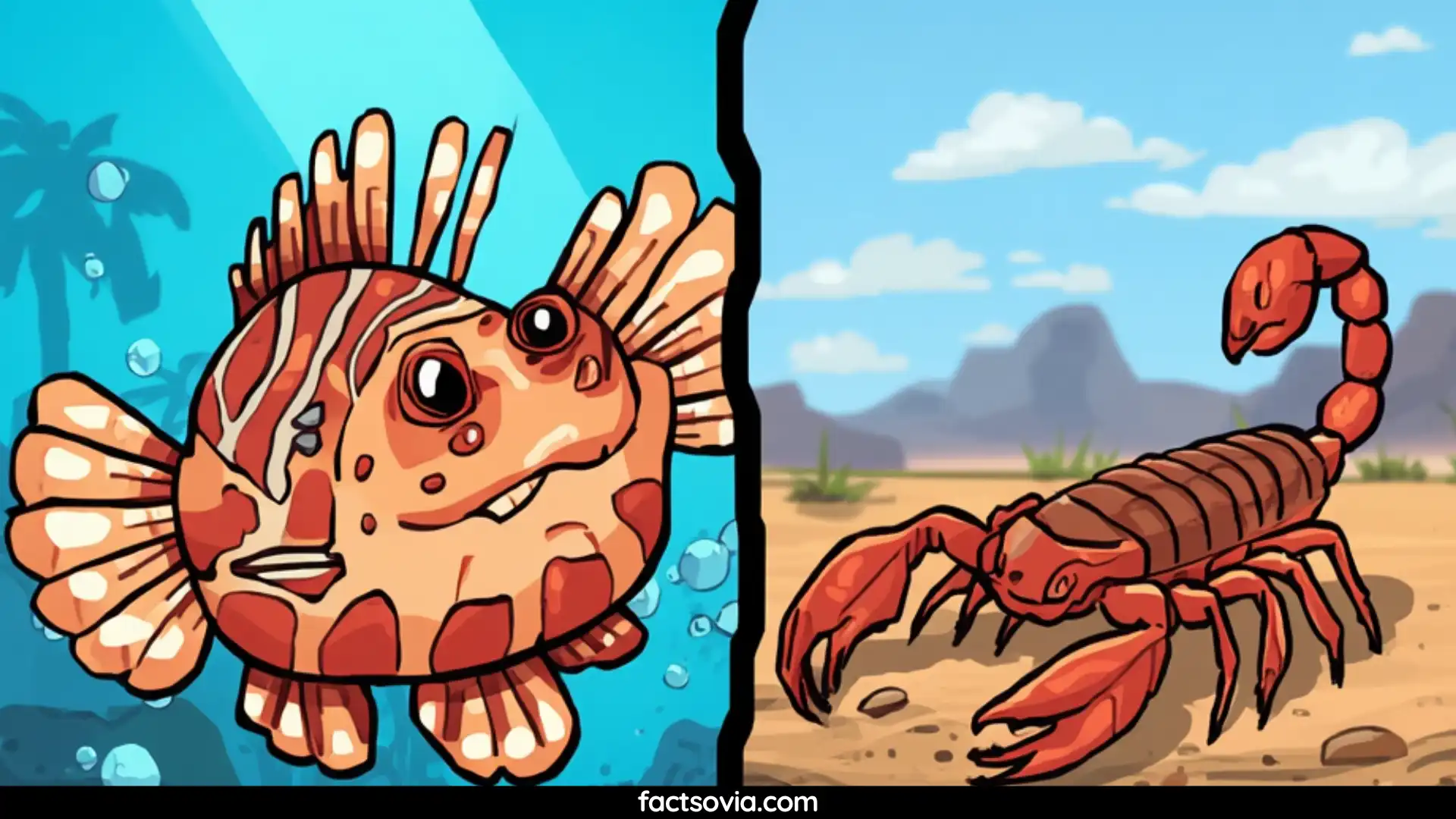
You’ve probably heard someone say, “That snake is poisonous.” But if you’re talking about a cobra or rattlesnake, you’re wrong. It’s not poisonous. It’s venomous.
This isn’t just semantics. It’s biology. And getting it wrong can be dangerous — especially if you’re trying to understand how to treat a bite or avoid a deadly encounter.
In this guide, we’ll break down:
- What poison and venom really are
- How they work in the body
- The key differences in delivery, effect, and danger
- Real-world examples of poisonous and venomous animals
- What to do if you’re exposed
Let’s clear up the confusion — once and for all.
What Is Poison?
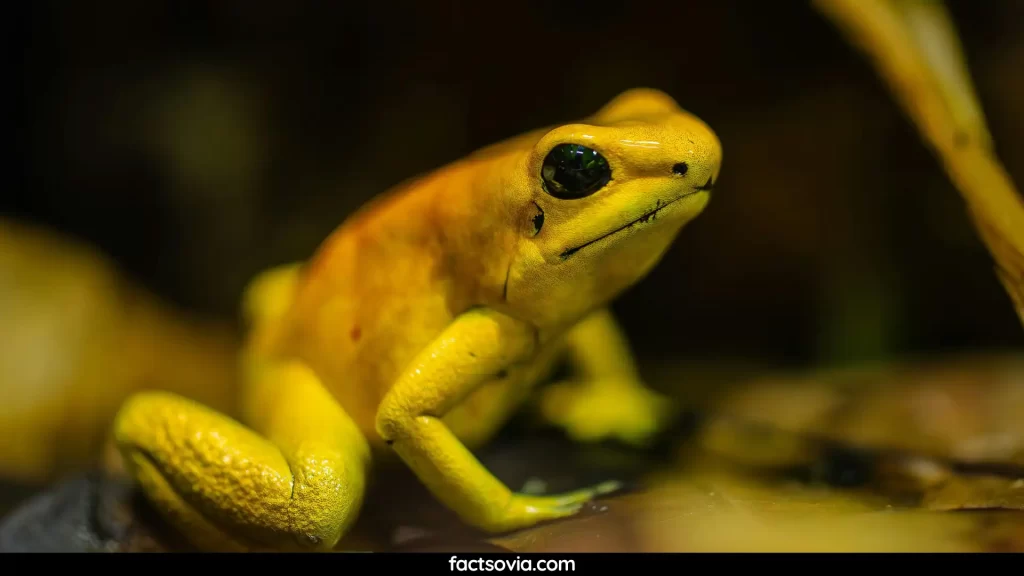
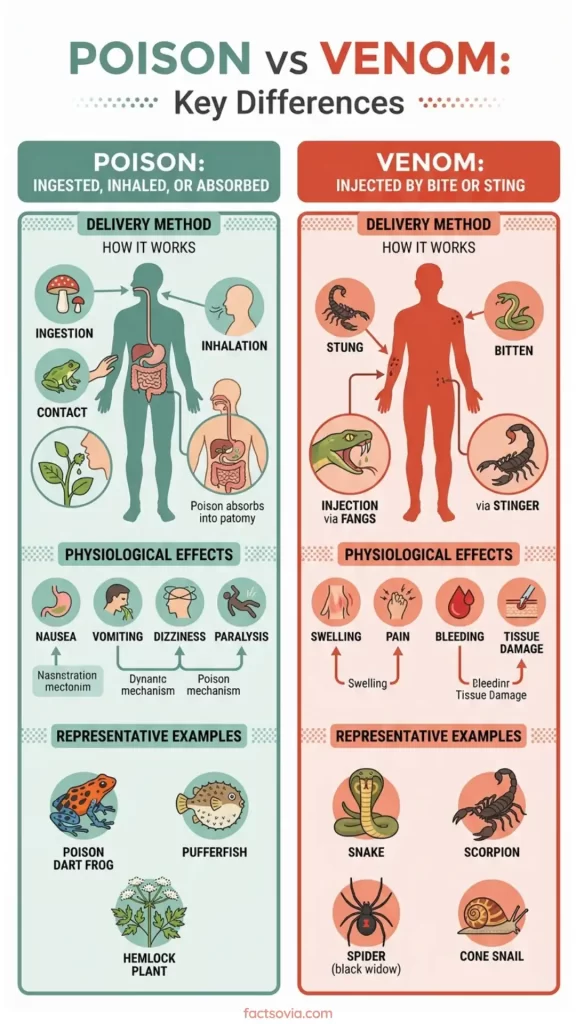
Poison is a toxin that enters the body through ingestion, inhalation, or skin contact. You don’t need to be bitten or stung — just touching, eating, or breathing it in can cause harm.
Examples:
- Poison dart frogs (touch or ingestion)
- Certain mushrooms (ingestion)
- Pufferfish (ingestion)
- Some plants, like poison ivy (skin contact)
Poisonous animals don’t actively inject their toxins — they’re passive. You have to come into contact with them.
What Is Venom?
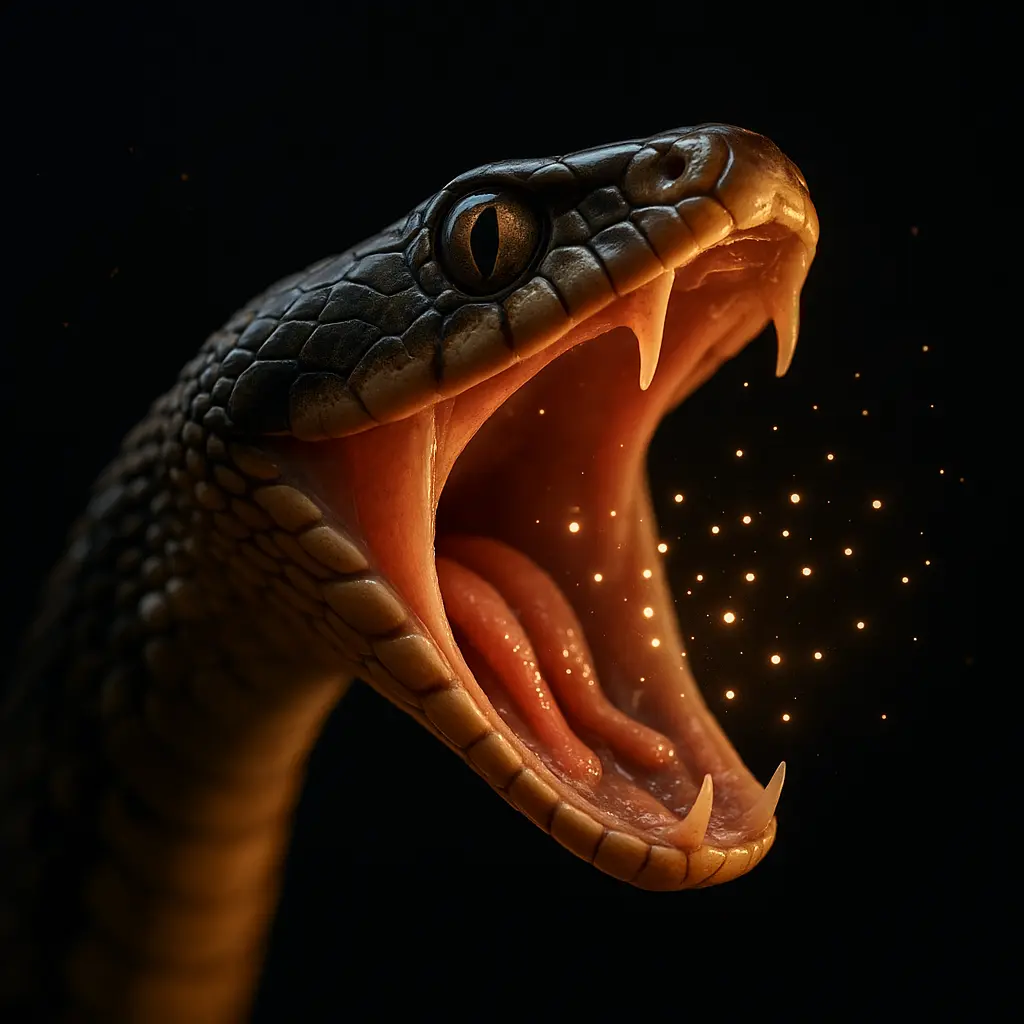
Venom is a toxin that’s actively injected into the body — usually through a bite or sting. Venomous animals have specialized delivery systems: fangs, stingers, and spines.
Examples:
- Cobras (neurotoxic venom)
- Rattlesnakes (hemotoxic venom)
- Scorpions
- Bees and wasps
- Some octopuses (like the blue-ringed octopus)
Venom is designed to immobilize prey or defend against predators — and it’s often fast-acting.
Poison Vs Venom Key Differences at a Glance
| Feature | Poison | Venom |
| Delivery Method | Ingested, inhaled, or touched | Injected via bite or sting |
| Animal Behavior | Passive — you must contact them | Active — they deliver the toxin |
| Examples | Poison dart frogs, pufferfish | Cobras, rattlesnakes, scorpions |
| Speed of Effect | Slower (depends on absorption) | Fast (direct bloodstream entry) |
| Treatment | Decontaminate, induce vomiting | Antivenom, supportive care |
How Toxins Work: Hemotoxins vs Neurotoxins
Not all venom (or poison) is the same. Toxins are broadly classified by how they attack the body:
- Hemotoxins
- Target blood cells and organs
- Destroy red blood cells (RBCs), disrupt clotting, and cause internal bleeding
- Death is slower — hours to days
- Found in: Pit vipers, some rattlesnakes
- Neurotoxins
- Attack the nervous system
- Causes paralysis, respiratory failure, and muscle spasms
- Death can occur within minutes
- Found in: Cobras, black mambas, blue-ringed octopus
Some animals, like the inland taipan, have venom that combines both, making them among the deadliest on Earth.
Common Misconceptions — Debunked
❌ “All snakes are poisonous.”
→ False. Most snakes are non-venomous. Venomous snakes inject toxins — they’re not “poisonous” unless you eat them (which you shouldn’t).
❌ “If it’s venomous, it’s always deadly.”
→ Not true. Many venomous animals have mild venom. A honeybee’s venom is rarely lethal — unless you’re allergic.
❌ “Poisonous = more dangerous.”
→ Not necessarily. Venom is often more immediately lethal because it’s injected directly into the bloodstream.
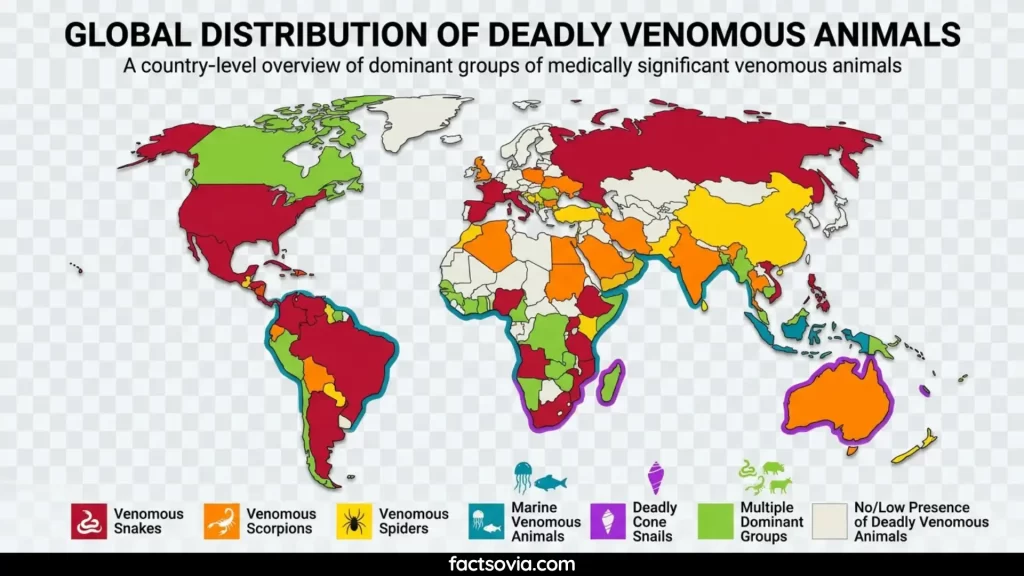
Top 10 Venomous Animals You Should Know
- Inland Taipan (Australia) — most toxic venom of any snake
- Black Mamba (Africa) — fastest-acting neurotoxin
- Box Jellyfish (Australia) — can kill in minutes
- Blue-Ringed Octopus (Pacific) — tiny but deadly neurotoxin
- King Cobra (Asia) — the longest venomous snake, potent neurotoxin
- Sydney Funnel-Web Spider (Australia) — aggressive, fast-acting venom
- Stonefish (Indo-Pacific) — camouflaged, spines deliver excruciating pain
- Deathstalker Scorpion (Middle East/North Africa) — neurotoxic sting
- Eastern Brown Snake (Australia) — highly aggressive, fast-acting venom
- Brazilian Wandering Spider — potent neurotoxin, causes intense pain and paralysis
Top 10 Poisonous Animals You Should Avoid
- Poison Dart Frogs (Central/South America) — skin toxins can kill
- Pufferfish (Pacific/Indian Oceans) — contains tetrodotoxin, lethal if improperly prepared
- Hooded Pitohui (New Guinea) — toxic feathers and skin
- Monarch Butterfly (North America) — toxic to predators due to milkweed diet
- Cane Toad (Australia) — toxic glands, deadly to pets
- Certain Mushrooms (Worldwide) — e.g., Death Cap, Destroying Angel
- Poison Ivy/Oak/Sumac (North America) — skin irritation, not lethal but painful
- Blue-Ringed Octopus (also venomous) — dual threat
- Certain Sea Snails (e.g., Cone Snails) — venomous delivery, toxic if ingested
- Some Beetles (e.g., Bombardier Beetle) — spray toxic chemicals for defense
What to Do If You’re Exposed
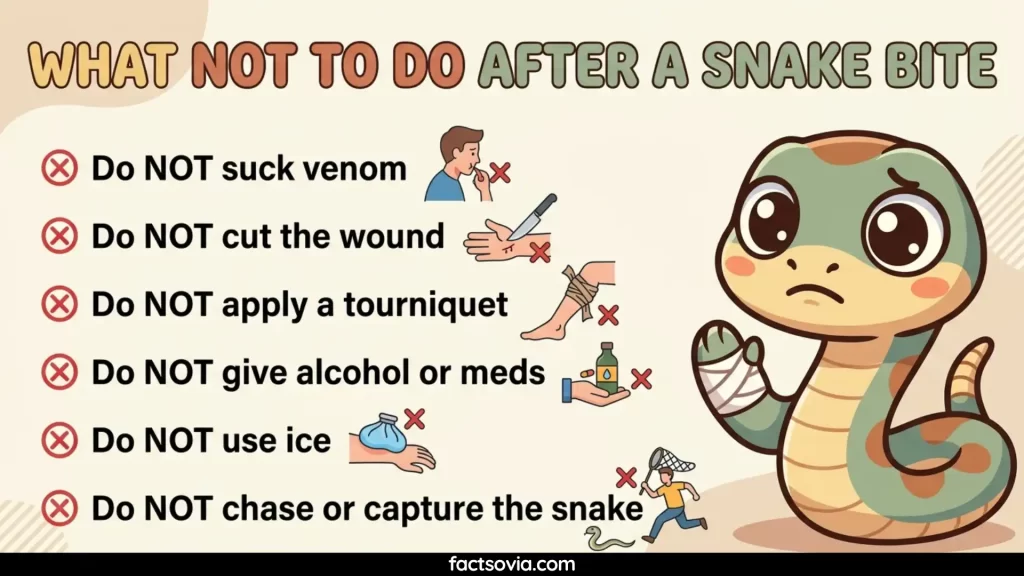
✅ Venomous Bite or Sting:
- Stay calm. Movement spreads venom faster.
- Immobilize the limb.
- Seek medical help immediately.
- Do NOT cut, suck, or apply a tourniquet.
- If possible, identify the animal (safely) for antivenom matching.
✅ Poisonous Contact or Ingestion:
- Rinse skin with water.
- Do NOT induce vomiting unless instructed by poison control.
- Call Poison Control (US: 1-800-222-1222) or emergency services.
- Bring a sample of the plant, animal, or substance if possible.
Why This Matters
Misunderstanding poison vs venom isn’t just academic — it affects how you respond to emergencies, how you treat animals, and even how you interpret media or news reports.
A venomous snake bite requires antivenom. A poisonous mushroom ingestion requires gastric decontamination. Confusing them can cost lives.
Frequently Asked Questions (FAQs)
Q: Is a cobra poisonous or venomous?
Venomous. It injects neurotoxin through its fangs.
Q: Can you die from touching a poison dart frog?
A: Yes — their skin toxins can be lethal if absorbed through cuts or mucous membranes.
Q: Are all snakes venomous?
A: No. Only about 20% of snake species are venomous. Most are harmless.
Q: What’s the most venomous animal in the world?
A: The inland taipan (snake) has the most toxic venom per bite. The box jellyfish causes the most human deaths annually.
Q: Can venom be used as medicine?
A: Yes — components of venom are used in blood pressure meds, painkillers, and cancer research.
Author Bio
Prasenjit Saha holds a Bachelor of Science in Zoology from the University of North Bengal. With over 10 years of experience in wildlife education and conservation. His expertise spans animal behavior, toxin biology, and public safety in natural environments. Prasenjit has contributed to multiple blog sites and has written more than 700 articles. He is committed to making complex biological concepts accessible to the general public.
Sources & Further Reading
- National Geographic: “Venom vs Poison: What’s the Difference?”
- CDC: “Snakebite Prevention and Treatment”
- World Health Organization: “Snakebite Envenoming”
- PubMed: “Toxinology of Venomous Animals”
Share This Guide
Help others understand the difference — share this article with friends, hikers, pet owners, or anyone who spends time outdoors.
Disclaimer: This article is for educational purposes only. Always seek professional medical help in case of toxin exposure.
© 2026 [Factsovia.com]. All rights reserved. Affiliate links may earn us a commission at no extra cost to you. Learn more.
Amazon and the Amazon logo are trademarks of Amazon.com, Inc, or its affiliates.