We use affiliate links to run our site. When you buy through links on our site, we may earn an affiliate commission, without any added cost to you. Learn more
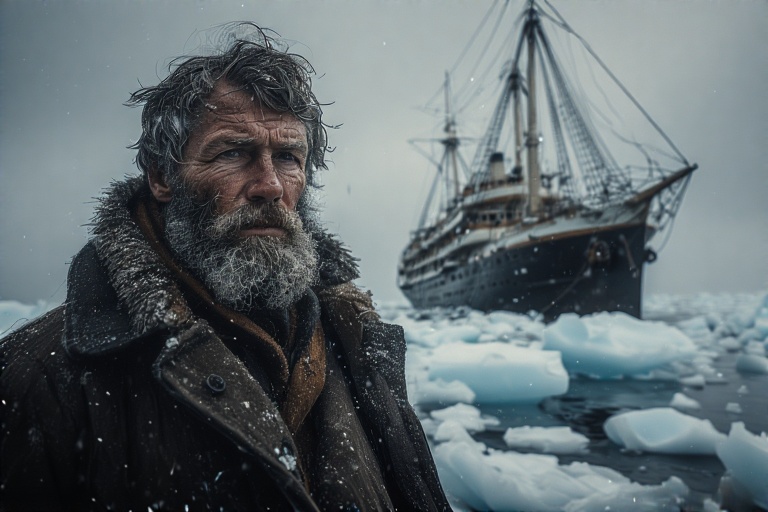
What would you do if your ship was crushed by ice in the middle of the Antarctic, 1,000 miles from the nearest human help—with 27 lives depending on your every move?
For Sir Ernest Shackleton, this wasn’t a hypothetical—it was his reality. But instead of collapsing under pressure, Shackleton pulled off one of the most stunning, against-all-odds survival stories in history. The kicker? He didn’t lead with brute force or bravado. His secret weapon was psychological finesse.
Inspired by Robert Greene’s book The Laws of Human Nature, this post explores the extraordinary story of Sir Ernest Shackleton and the legendary Endurance expedition.
Let’s dive into the extraordinary leadership legacy of Shackleton—and why his “healthy narcissism” might be one of the most underrated, powerful traits in today’s leaders.
Shackleton’s Unthinkable Dilemma
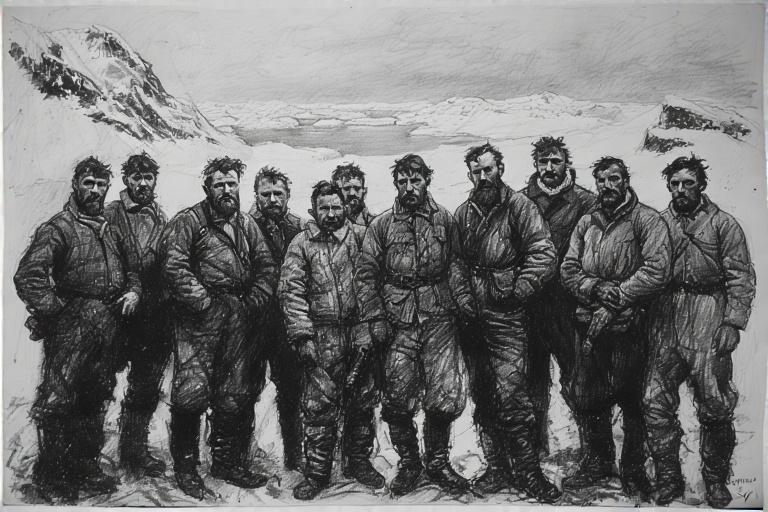
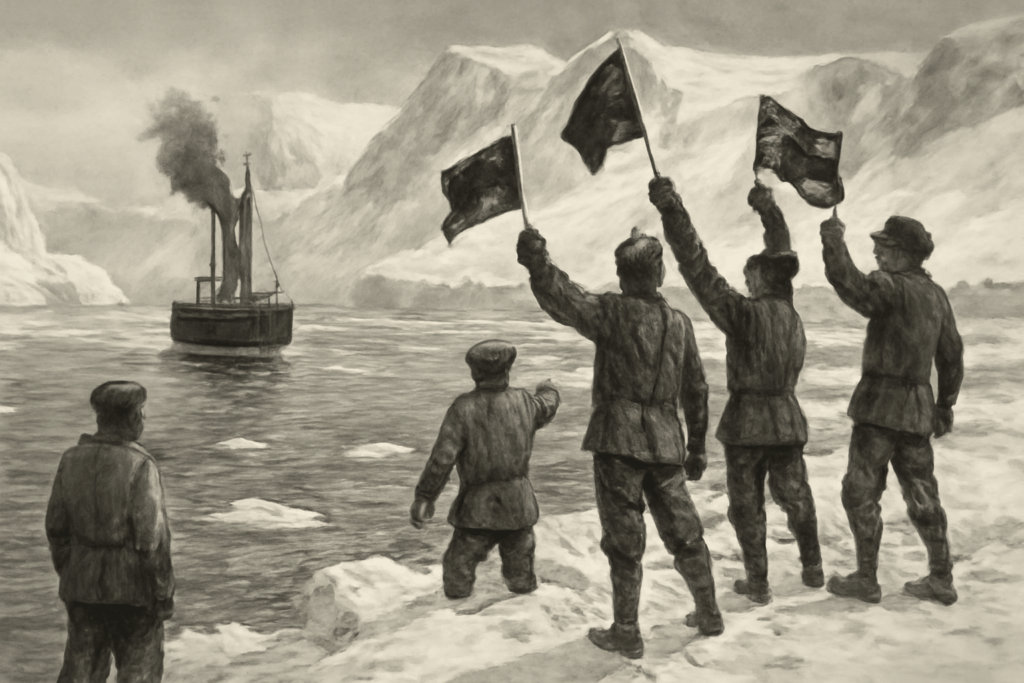
In 1914, Shackleton set out on the Imperial Trans-Antarctic Expedition with a crew aboard the ship Endurance. Not long into their journey, the ship became trapped by pack ice in the Weddell Sea. Eventually, it was crushed, stranding them on shifting ice floes and facing what seemed like certain death.
Yet, against every logical forecast, not a single man died over their two-year stretch in extreme conditions. Their survival was thanks to one thing above all: Shackleton’s masterful command of group psychology and morale.
The Timeline of The Endurance Expedition:
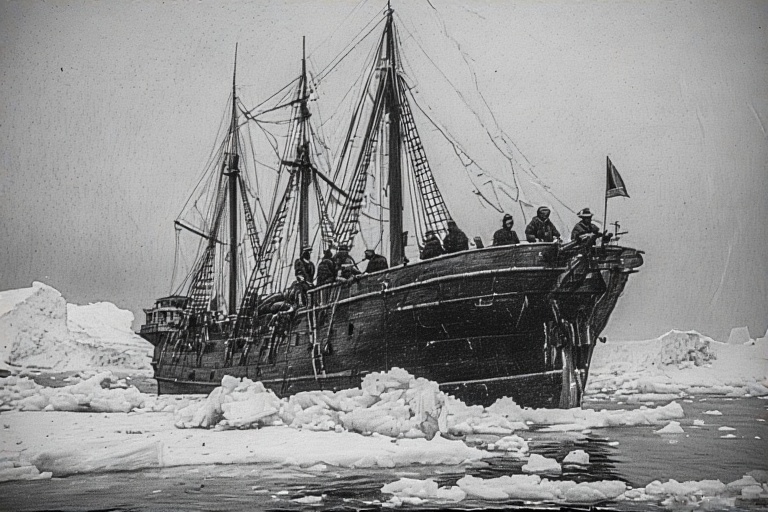
- August 1, 1914: Shackleton set out on the Imperial Trans-Antarctic Expedition with a crew of 27 people aboard the ship Endurance.
- October 1915: Endurance is abandoned after being trapped in Antarctic ice for over eight months.
- Late 1915 – Early 1916: The crew camps on ice floes, maintaining routines and morale through the polar winter.
- April 1916: Ice floe breaks apart; crew takes to three lifeboats in search of solid land.
- Mid-April 1916: The Crew lands on Elephant Island—harsh, uninhabitable terrain with no chance of rescue.
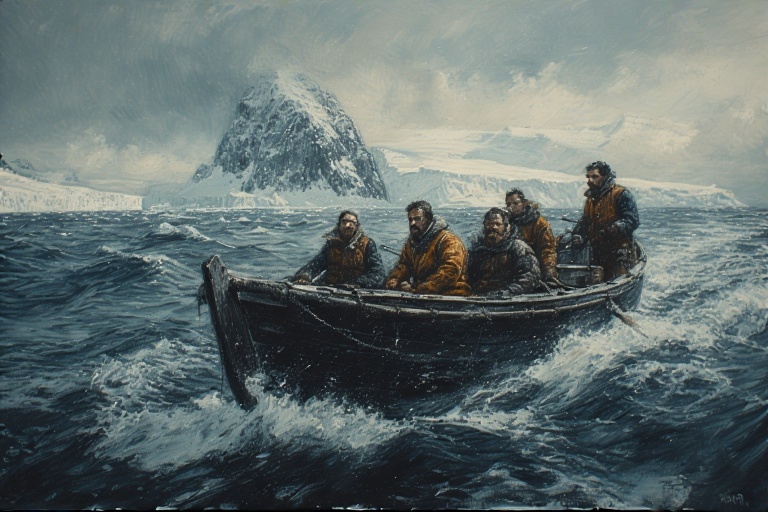
- Late April 1916: Shackleton selects five men for an 800-mile voyage to South Georgia to seek help.
- May 1916: After 16 days at sea, the small boat reaches South Georgia’s uninhabited coast.
- May – August 1916: Shackleton and a small rescue party cross the island’s interior, reach a whaling station, and arrange a rescue.
- August 30, 1916: Shackleton returns by ship and successfully rescues all 22 men left behind on Elephant Island.
Total Time in the Antarctic: Nearly two years—with zero casualties.
Leadership Under Pressure:
1. He Set the Emotional Temperature
Shackleton knew moods were contagious. If he panicked, his crew would spiral. So instead, he projected unwavering calm and optimism, even when he was deeply unsure inside.
Fun Fact: He would personally wake his crew with hot tea and crack jokes to keep the atmosphere light—even when their world was frozen and falling apart.
This form of emotional discipline wasn’t about pretending everything was okay. It was about managing the emotional climate so his crew would stay resilient together.
2. He Was a Human Mood Ring
Shackleton wasn’t just watching the ice—he was watching his men.
He became uncannily attuned to individual moods. He could detect dips in morale from subtle shifts: how quickly a man ate, how slowly he dressed, or a slouch in posture. Then, he’d engage them in personalized conversation— talking science with the scientists, poetry with the creatives.
This level of sensitivity allowed him to diagnose emotional threats early—before they festered into conflict or despair.
3. He Customized Roles to Personalities
Great leaders don’t treat everyone the same. Shackleton would assign tasks and responsibilities based on psychological insight:
- When Frank Hurley, their photographer, needed to feel valuable, Shackleton invited him into important decisions and kept him in his tent.
- With self-focused Hubert Hudson, Shackleton gave special attention and proximity to keep his ego engaged.
- He gave grumpy carpenter Harry McNeish the job of preparing the escape boat—keeping his hands busy and giving him pride of ownership.
This wasn’t favoritism—it was empathy-driven management. Shackleton understood that you lead people, not positions.
4. He Used Gentle Correction, Not Public Shame
At one point, McNeish refused to row. A typical leader might confront him harshly. Instead, Shackleton ordered hot milk for everyone—without pointing fingers. McNeish got what he needed (a morale boost), and the team bond was spared.
Leadership Lesson: Corrections that maintain dignity keep teams together under pressure.
5. He Repaired His Own Slip-Ups Immediately
Once, after snapping at a crew member, Shackleton immediately made a joke at his own expense and apologized. He later vowed never to act out again—under any strain.
His consistency and humility built enormous trust. This kind of self-control in the service of the team became the bedrock of their survival.
But Wait… Wasn’t He a Narcissist?
Yes—and no. According to modern psychology, Shackleton fits the mold of a “healthy narcissist.”
Surprised?
Let’s break it down.
Healthy vs. Deep Narcissism
- Deep narcissists are emotional black holes. They crave constant admiration and lash out when criticized.
- Healthy (or “functional”) narcissists have a strong internal self-image. They’re confident, but self-aware, emotionally resilient, and focused beyond themselves.
Why Shackleton Is a Healthy Narcissist
Shackleton had a bold sense of mission, charisma, and self-trust. But instead of using those traits for ego-stroking, he used them to protect and uplift his crew. That’s the hallmark of a healthy narcissist—they channel self-belief outward:
- He didn’t demand loyalty. He earned it.
- He didn’t feed off flattery. He read emotional signals to better serve the team.
- He didn’t crack under pressure. His inner stability kept everyone anchored during chaos.
“When disaster strikes and all hope is gone, get down on your knees and pray for Shackleton.” – Sir Edmund Hillary
What Can We Learn From Shackleton Today?
Whether you’re leading a team, a classroom, or just trying to navigate a personal crisis, there’s a ton we can learn from Shackleton’s playbook.
🔑 5 Actionable Lessons
- Set the tone yourself. Your mood shapes others—start meetings with calm, clarity, or humor.
- Listen beneath the surface. Peoples’ energy, body language, and silence often say more than their words.
- Tailor your leadership. Motivation isn’t one-size-fits-all. Observe what energizes each person.
- Correct gently, preserve dignity. Public shaming kills morale. Quiet nudges keep trust intact.
- Be self-aware, not self-absorbed. Know your influence, but aim it outward—toward service, not spotlight.
Final Thought:
Shackleton’s Antarctic saga isn’t just a survival story—it’s a roadmap for transformational leadership in high-stakes situations. His legacy isn’t built on bravado or barked commands, but on empathy, emotional intelligence, and the ability to self-direct in service of others.
As we face our own “icy waters”—from global uncertainty to workplace burnout—it might be time we take a page from his Antarctic playbook.
Reflective Question: When things fall apart, do you panic… or do you pour the hot tea?
P.S. Want to bring Shackleton-style calm to your own team? Try keeping a “mood log” for one week—track not just your feelings, but how they impact others. You’ll be surprised how much leadership begins with simple self-awareness.
Amazon and the Amazon logo are trademarks of Amazon.com, Inc, or its affiliates.