We use affiliate links to run our site. When you buy through links on our site, we may earn an affiliate commission, without any added cost to you. Learn more
Kettlebell exercises have revolutionized the fitness world by combining explosive fat loss with remarkable muscle-building capabilities in one dynamic training method.
This comprehensive guide explores how kettlebell training transforms your physique through scientifically proven mechanisms while delivering maximum results in minimal time.
Whether you’re seeking rapid fat loss, lean muscle development, or enhanced athletic performance, kettlebell exercises offer an unparalleled solution that addresses multiple fitness goals simultaneously.
The Science Behind Kettlebell Training for Body Transformation
Metabolic Powerhouse for Fat Burning
Kettlebell exercises create a unique metabolic environment that accelerates fat loss through multiple physiological pathways.
The dynamic nature of kettlebell movements merges strength training with high-intensity cardiovascular work, creating what researchers call the “afterburn effect” – a powerful metabolic response that continues to burn calories long after your workout ends.
This metabolic elevation occurs because kettlebell exercises engage multiple muscle groups simultaneously, demanding significant energy expenditure during and after training sessions.
The compound movements inherent in kettlebell training optimize energy usage and enhance the fat-loss process through increased oxygen consumption and elevated heart rate patterns.
The science reveals that kettlebell workouts can maintain elevated metabolic rates for hours post-exercise, contributing to substantial caloric burn beyond the training session itself.
This phenomenon, known as Excess Post-Exercise Oxygen Consumption (EPOC), makes kettlebell training exceptionally effective for those seeking sustainable fat loss results.
Muscle Building Through Unique Loading Patterns

Traditional muscle-building protocols focus on mechanical tension, muscular damage, and metabolic stress as primary growth drivers. Kettlebell exercises excel in all three areas through their offset design and dynamic movement patterns.
The unique shape of kettlebells forces your body to stabilize joints differently compared to barbells and dumbbells, creating novel muscular contractions that stimulate growth.
Research by Brad Schoenfeld, PhD, identifies these three mechanisms as fundamental for muscle development, and kettlebell training naturally incorporates each element.
The offset loading pattern challenges stabilizing muscles while primary movers work through extended ranges of motion, promoting comprehensive muscular development.
The increased range of motion achieved through kettlebell exercises, such as front squats in the rack position, delivers enhanced muscular growth compared to traditional barbell movements.
This expanded range demands greater muscle fiber recruitment and creates optimal conditions for hypertrophy across multiple muscle groups.
Revolutionary Fat Loss Benefits of Kettlebell Training
Tim Ferriss’s Minimal Effective Dose Approach
Tim Ferriss champions the two-arm kettlebell swing as the “king of exercises” for dramatic fat loss results. His personal experiments demonstrated that performing just 75 swings with a 53-pound kettlebell twice weekly (totaling 10-20 minutes) produced his lowest body fat percentage since 1999.
This minimal effective dose approach aligns perfectly with busy lifestyles while delivering maximum results. Tracy Reifkind successfully used Russian kettlebell swings twice weekly for 15-20 minutes as a core component in her 100+ pound weight loss journey.
The swing significantly accelerated her progress when diet-driven fat loss plateaued, demonstrating kettlebells’ ability to break through stubborn fat loss barriers.
Fleur B. incorporated just 50 kettlebell swings into a brief sequence performed three times weekly, totaling approximately 15 minutes of exercise per week, and achieved impressive fat loss results.
These real-world examples illustrate how kettlebell training produces substantial results with minimal time investment.
High-Intensity Interval Training Integration
Kettlebell exercises naturally lend themselves to HIIT protocols that maximize fat-burning potential. The explosive nature of movements like swings, snatches, and cleans elevates heart rate rapidly while engaging large muscle groups, creating optimal conditions for fat oxidation.
Circuit training with kettlebells maintains elevated heart rates throughout sessions while providing strength training benefits.
This dual approach ensures continuous caloric expenditure while building lean muscle mass that further enhances metabolic rate. The combination creates a powerful fat-burning environment that extends well beyond the training session.
Kettlebell HIIT workouts can be customized for various fitness levels while maintaining effectiveness. Beginners can start with longer rest periods and lighter weights, while advanced practitioners can increase intensity through heavier loads and reduced recovery times.
Comprehensive Muscle Building Through Kettlebell Training
Full-Body Muscle Development
Kettlebell exercises excel at building functional muscle mass across multiple body regions simultaneously. The 12-week muscle-building program requiring only two kettlebells and three weekly workouts produces significant hypertrophy in the shoulders, upper back, upper chest, arms, legs, and posterior chain.
The offset loading pattern forces stabilizing muscles to work harder while primary movers handle the resistance, creating comprehensive muscular development. This approach builds not only visible muscle mass but also the deep stabilizing muscles that enhance overall strength and performance.
Front-racked kettlebell exercises particularly challenge the core musculature while targeting primary muscle groups. This dual demand creates exceptional strength gains throughout the torso while building impressive muscle mass in target areas.
Progressive Overload Strategies

| Training Variable | Beginner | Intermediate | Advanced |
| Weight Selection | 16-20kg (35-44lb) | 20-24kg (44-53lb) | 24kg+ (53lb+) |
| Weekly Frequency | 2-3 sessions | 3-4 sessions | 4-5 sessions |
| Rep Ranges | 15-25 reps | 10-20 reps | 5-15 reps |
| Rest Periods | 60-90 seconds | 45-60 seconds | 30-45 seconds |
Muscle building with kettlebells requires progressive overload through various methods. Weight progression remains the primary driver, but volume increases, density improvements, and technique refinements all contribute to continued growth.
The unique loading patterns of kettlebells allow for progression through increased range of motion and improved movement quality.
These factors contribute to muscle development even without adding external load, making kettlebells particularly valuable for long-term progression.
Essential Kettlebell Exercises for Maximum Results
The Kettlebell Swing: King of Fat Loss
The kettlebell swing stands as the foundation of effective kettlebell training. Proper execution requires specific technique cues that maximize effectiveness while ensuring safety. Stand with feet 6-12 inches outside shoulder width, pointing outward slightly like clock positions 10:00 and 2:00.
Maintain shoulders pulled back and down throughout the movement to prevent back rounding. The backswing mimics sitting back in a chair rather than squatting down, with shoulders never traveling in front of the knees.
The forward drive comes from forceful hip extension, imagining pinching a penny between your glutes during the upward thrust.
Zar Horton’s “touch-and-go” deadlift method provides excellent swing preparation. Position the kettlebell strategically behind your heels to develop proper hip hinge mechanics and pendulum motion patterns. This foundation ensures safe and effective swing execution from the beginning.
Compound Movements for Muscle Building
Kettlebell snatches represent the pinnacle of explosive full-body exercises. This movement combines the hip drive of swings with overhead pressing patterns, creating tremendous muscular demand throughout the kinetic chain. Snatches build incredible power while developing significant muscle mass in the posterior chain.
Goblet squats provide exceptional leg development while challenging core stability. The front-loaded position forces the torso to work harder while legs move through increased ranges of motion. This exercise builds functional leg strength while improving mobility and movement quality.
Turkish get-ups represent the ultimate full-body exercise, requiring strength, mobility, and coordination throughout multiple movement patterns. This exercise builds real-world strength while developing muscle mass across the entire body.
Circuit Training Protocols
Effective kettlebell circuits combine multiple exercises targeting different movement patterns and muscle groups. A sample fat-loss circuit might include:
- Kettlebell swings: 30 seconds
- Goblet squats: 30 seconds
- Single-arm rows: 30 seconds each arm
- Push-ups on kettlebell handles: 30 seconds
- Rest: 60 seconds
Repeat this circuit 4-6 times for a complete workout that builds muscle while torching fat. The continuous movement pattern maintains an elevated heart rate while providing a strength training stimulus across major muscle groups.
Weight Selection and Progression Guidelines
Choosing Your Starting Weight
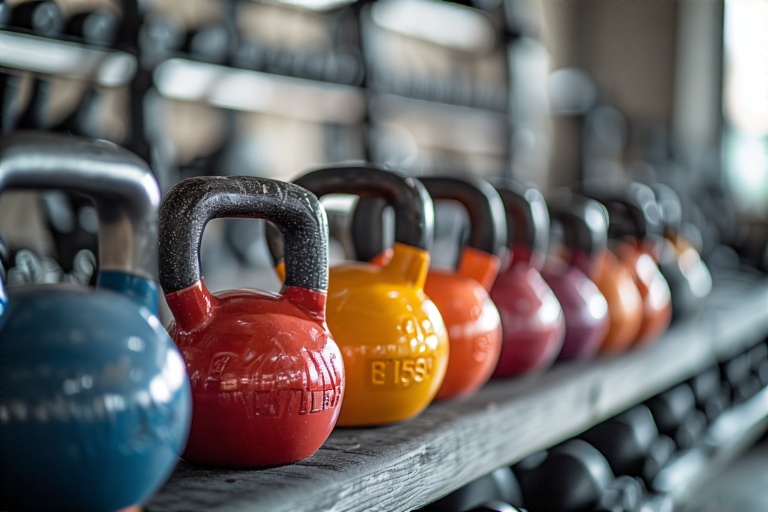
Proper weight selection forms the foundation of successful kettlebell training. Select a weight allowing 20 perfect repetitions but no more than 30 for swing training. This guideline ensures adequate challenge without compromising form during initial learning phases.
Recommended starting weights include:
- Women: 16kg (35lb) or 20kg (44lb) kettlebells
- Men: 20kg (44lb) or 24kg (53lb) kettlebells
These recommendations provide appropriate starting points for most individuals, though personal strength levels and training experience may warrant adjustments. The key lies in maintaining perfect form while feeling challenged by the resistance.
Budget-conscious individuals can utilize T-handles (Hungarian Core Blasters) with standard weight plates to determine ideal weights before investing in kettlebells. This approach allows experimentation with various loads while minimizing initial investment.
Progression Strategies
Weight progression should occur gradually as strength and technique improve. Increase load by 4-8kg (9-18 pounds) when current weights become too easy for target repetition ranges. This conservative approach ensures continued progress while maintaining movement quality.
Volume progression through increased sets, repetitions, or training frequency provides alternative advancement methods. These variables allow continued challenge even when weight increases aren’t immediately available.
Time-based progressions work particularly well for kettlebell training. Gradually reduce rest periods between sets or exercises to increase training density while maintaining resistance levels.
Nutritional Strategies for Enhanced Results
Diet and Kettlebell Training Synergy
Combining proper nutrition with kettlebell workouts creates synergistic fat loss effects that exceed either approach alone. Kettlebell training ramps up metabolism and caloric expenditure, while strategic nutrition provides the foundation for sustained energy and recovery.
A curated diet plan complementing kettlebell exercise regimens should emphasize whole foods rich in nutrients while maintaining appropriate portion control. This combination catalyzes enhanced fat burning when integrated with consistent kettlebell training protocols.
Post-workout nutrition becomes particularly important with intense kettlebell sessions. Protein intake supports muscle recovery and growth, while carbohydrates replenish glycogen stores depleted during high-intensity training. The combination optimizes adaptation to training stress while supporting body composition improvements.
Meal Timing and Macronutrient Balance
Strategic meal timing around kettlebell workouts can enhance both fat loss and muscle-building outcomes. Pre-workout nutrition should provide sustained energy without causing digestive distress, while post-workout feeding supports recovery and adaptation processes.
Macronutrient balance plays a crucial role in optimizing kettlebell training results. Adequate protein intake (0.8-1.2g per pound of body weight) supports muscle building and recovery, while appropriate carbohydrate timing fuels high-intensity sessions. Healthy fats provide essential nutrients and support hormone production.
Hydration remains critical for optimal performance and recovery. Kettlebell training’s high intensity and full-body nature increase fluid requirements, making consistent hydration essential for sustained performance and results.
Program Design and Implementation
Weekly Training Structure

Effective kettlebell programs balance training frequency with adequate recovery time. Most individuals benefit from 3-4 weekly sessions, allowing 48-72 hours between training days for complete recovery and adaptation.
Session duration can remain relatively short while delivering exceptional results. Tim Ferriss’s approach demonstrates how 10-20 minutes twice weekly can produce dramatic changes. However, most individuals benefit from 30-45 minute sessions to allow adequate volume and variety.
Progressive program design should gradually increase training demands over time. Begin with basic movements and lighter weights, then progressively add complexity, intensity, and volume as competency develops.
Periodization for Long-Term Success
Structured periodization prevents plateaus while ensuring continued progress toward fat loss and muscle-building goals. Alternate between higher volume/lower intensity phases and lower volume/higher intensity periods to optimize adaptation.
Block periodization works particularly well with kettlebell training. Dedicate 4-6 week blocks to specific goals (fat loss emphasis vs. strength emphasis) while maintaining both qualities throughout training.
Deload weeks every 4th or 6th week allow recovery and supercompensation, leading to continued progress and reduced injury risk. These periods involve reduced volume and intensity while maintaining movement quality and technique refinement.
Safety Considerations and Injury Prevention
Proper Form and Technique

Technique mastery takes precedence over weight progression in kettlebell training. The ballistic nature of many kettlebell exercises demands precise movement patterns to ensure safety and effectiveness.
Professional instruction or quality video resources can accelerate learning while preventing dangerous movement compensations. Investment in proper technique education pays dividends through improved results and reduced injury risk.
Regular technique assessment ensures movement quality maintenance as training intensity increases. Video analysis or coaching feedback helps identify and correct potential issues before they become problematic.
Common Mistakes and Corrections
Lower back rounding during swings represents the most common and dangerous kettlebell mistake. This error typically results from inadequate hip hinge mechanics or attempting weights beyond current capacity. Focus on proper hip movement patterns before increasing resistance.
Arm pulling during swings reduces hip drive effectiveness while increasing injury risk. The arms should remain relaxed throughout the movement, with all power generation coming from explosive hip extension.
Inadequate warm-up preparation increases injury risk with explosive kettlebell movements. Proper preparation includes dynamic movement patterns that prepare the body for high-intensity exercise demands.
Conclusion
Kettlebell exercises represent a revolutionary approach to achieving simultaneous fat loss and muscle building through time-efficient, scientifically-backed training methods. The research demonstrates that strategic kettlebell implementation can produce dramatic body composition changes with minimal time investment, making it ideal for busy individuals seeking maximum results.
The unique loading patterns and dynamic movement requirements of kettlebell training create optimal conditions for both metabolic enhancement and muscular development. From Tim Ferriss’s minimalist swing approach to comprehensive muscle-building programs, kettlebells offer scalable solutions for various fitness goals and experience levels.
Success with kettlebell training requires attention to proper technique, progressive overload, and supportive nutrition practices. When these elements combine with consistent application, kettlebell exercises deliver transformative results that extend far beyond traditional strength training approaches. Whether your goal is rapid fat loss, lean muscle development, or enhanced athletic performance, kettlebell training provides a proven pathway to achieving your physique transformation objectives.
Sources for this post:
Amazon and the Amazon logo are trademarks of Amazon.com, Inc, or its affiliates.