
We use affiliate links to run our site. When you buy through links on our site, we may earn an affiliate commission, without any added cost to you. Learn more
If you’ve ever wondered why some people seem to connect effortlessly while others struggle to break through social barriers, you’re not alone.
According to Robert Greene’s celebrated book, The Laws of Human Nature, empathy is the secret ingredient that transforms ordinary interactions into meaningful connections. Greene doesn’t just describe empathy as a fuzzy feeling; he breaks it down as a practical, learnable skill—one that can be cultivated by anyone willing to look beyond their own perspective.
Drawing from Greene’s insights, this post explores the four essential components of empathy and offers actionable steps to help you develop this transformative ability.
Whether you want to deepen your relationships, become a better leader, or simply understand others on a more profound level, the wisdom in The Laws of Human Nature provides a roadmap.
Let’s dive into the art—and science—of building empathy, and discover how you can make it a superpower in your daily life.
Related Read: Unlocking The Secrets Of Your Mind: Are You Biased?
What Is Empathy?
Empathy is more than just “putting yourself in someone else’s shoes.” It’s the ability to sense, understand, and respond to the feelings and perspectives of others. Think of it as your emotional Wi-Fi: the stronger your signal, the better your connections.
Fun fact: Studies show that people with higher empathy scores enjoy stronger relationships and even greater professional success.
The Four Pillars of Empathy
Empathy isn’t a single skill—it’s a toolkit. Here’s what the research and expert sources highlight as the key components2:
1. The Empathic Attitude

- Assume you don’t know everything. Let go of snap judgments and the idea that everyone shares your values.
- Approach people as “undiscovered countries.” Be genuinely curious about their unique stories.
- Listen more, talk less. Reverse your impulse to speak and focus on hearing the other person’s viewpoint.
- Mirror what you hear. Reflect their words or emotions back to them for a powerful connection.
- Practice self-acceptance. The more you accept your own flaws, the easier it is to accept others.
This mindset opens the door to creative energy and deeper relationships.
2. Visceral Empathy

- Tune into moods. Notice body language, tone of voice, and the “feeling tone” behind words.
- Recognize intentions. Sometimes, a sudden shift in someone’s attention signals more than meets the eye.
- Use your mirror neurons. Subtly mimic facial expressions or recall similar experiences to “feel with” others.
- Keep a healthy distance. Stay aware so you don’t get swept up in others’ emotions.
Fun fact: Mirroring someone’s gestures can create instant rapport and even a “hypnotic effect”.
3. Analytic Empathy
- Ask open-ended questions. Encourage others to share their values, backgrounds, and sensitivities.
- Discover what makes them unique. Look for “trigger points” and cultural influences.
- Share your own stories. Vulnerability builds trust.
Analytic empathy helps you connect with people who are different from you, breaking down barriers.
4. The Empathic Skill
- Seek feedback. Check in—directly or indirectly—on how well you’re understanding others.
- Expand your circle. Interact with a variety of people to stretch your empathy muscles.
- Stay flexible. Keep your ideas about people fluid; don’t let first impressions harden into judgments.
- Observe the “feeling tone.” Notice how moods shift during conversations.
The more you blend visceral and analytic empathy, the smoother your social interactions become.
Dos and Don’ts
| Do | Don’t |
|---|---|
| Assume you have biases and work to overcome them | Jump to conclusions or make snap judgments |
| Listen actively and mirror back what you hear | Let your emotions cloud your vision |
| Give others the same understanding you give yourself | Project your own feelings onto others |
| Stay curious and ask open-ended questions | Solidify your ideas about people into rigid categories |
| Practice “Mitfreude”—feel joy for others’ happiness | Ignore negative cues or over-interpret nonverbal signals |
| Accept people as they are, like facts of nature | Try to force gratitude or expect instant results from your efforts |
| Channel your energy into productive, assertive actions | Repress your own aggressive impulses or become passive-aggressive |
8 Exercises to Develop Your Empathy
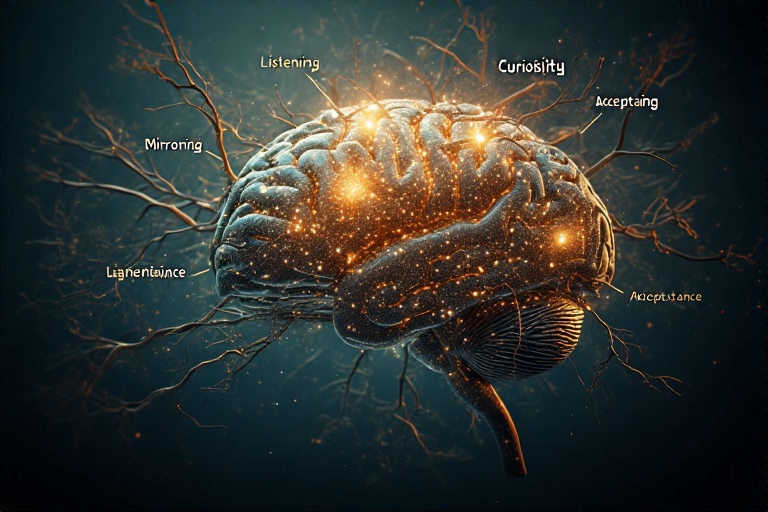
- Practice mindfulness. Stay present and aware of your own and others’ emotions.
- Be curious. Read books, watch films, or have conversations that expose you to different perspectives.
- Listen without interrupting. Let others finish their thoughts before you respond.
- Mirror body language. Subtly matching someone’s posture or expressions can build trust.
- Ask “How did that make you feel?” Go beyond facts to emotions.
- Share your own vulnerabilities. It invites openness in return.
- Reflect back. Paraphrase what you’ve heard to show understanding.
- Celebrate others’ joys (“Mitfreude”). Actively feel happy for someone else’s success.
Just like a muscle, empathy gets stronger the more you use it.
Can You Be Too Empathetic?
While empathy is essential, getting too emotionally entangled can cloud your judgment or lead to burnout. The key is balance: stay open and attuned, but keep enough distance to analyze and respond thoughtfully.
Final Thoughts:
Building empathy isn’t just a feel-good exercise—it’s a lifelong skill that unlocks deeper relationships, sharper insight, and a smoother journey through life.
As Robert Greene outlines in The Laws of Human Nature and the key sources above, empathy is a blend of attitude, emotional attunement, analysis, and practice. When you approach others as “undiscovered countries,” listen with genuine curiosity, and mirror both feelings and ideas, you open the door to understanding people on a truly profound level.
Remember, empathy isn’t about losing yourself in someone else’s emotions or making snap judgments based on first impressions. It’s about staying flexible, observing with care, and responding with both heart and mind. The more you practice—by asking open-ended questions, mirroring moods, and accepting others as they are—the more natural and rewarding empathy becomes.
So, why not start today? Try one small exercise from this guide in your next conversation and see how it transforms your connection. Empathy is your secret passport to richer, more meaningful interactions—and it’s a skill that only grows stronger the more you use it.
P.S. Bonus Tip: Practice “Mitfreude”—actively share in someone else’s joy. It’s a simple, powerful way to cleanse envy and build instant rapport. Give it a try and notice how your relationships blossom!
References:
- Along with the Learnings from the book “The Laws of Human Nature by Robert Greene, the following sources are used to publish this post:
- Six Seconds
- Calm.com
Amazon and the Amazon logo are trademarks of Amazon.com, Inc, or its affiliates.